Across Alaska, advocates, service providers, parents, and community members continue to call attention to a painful reality: young people remain at risk of sexual exploitation, coercion, and abuse. Recent public discussion around Alaska’s age-of-consent laws has brought renewed focus to how legal gaps can leave 16- and 17-year-olds vulnerable to predatory adults.
At the center of this conversation is House Bill 101, a proposal intended to raise Alaska’s age of consent to 18 while preserving close-in-age exceptions so that consensual relationships between young people are not criminalized. Supporters of the bill argue that the change is not about limiting youth autonomy, but about strengthening protections for minors who may be targeted by adults with significantly more power, resources, and control.
Why This Issue Matters
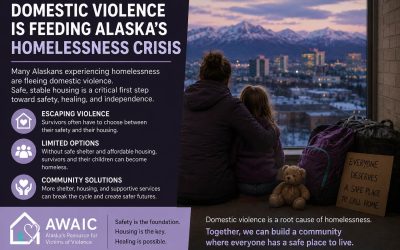
Young people can be especially vulnerable to manipulation, coercion, and exploitation. For teens experiencing homelessness, instability, trauma, poverty, or lack of support, that vulnerability can increase even further. Predatory adults may use offers of food, shelter, money, gifts, attention, or affection as a means of gaining control.
When the law treats 16- and 17-year-olds as capable of consenting to sexual activity with much older adults, it can create serious barriers for survivors seeking accountability. A minor may still be unable to vote, sign legal documents, or fully navigate adult systems independently, yet may be placed in the position of having to prove that an encounter with an adult was non-consensual.
For survivors, that burden can be deeply difficult. For communities, it raises an urgent question: are our laws doing enough to protect young people from adults who seek to exploit them?
A Trauma-Informed Approach to Prevention
Preventing sexual violence requires more than responding after harm has already occurred. It requires strong systems, informed communities, clear laws, and a shared commitment to protecting those who are most vulnerable.
A trauma-informed approach recognizes that survivors should not be blamed for the actions of those who harm them. It also recognizes that consent is impacted by power, age, dependence, fear, coercion, and access to resources. When an adult targets a minor, especially a minor experiencing instability or vulnerability, the issue is not simply about age — it is about power.
Strengthening protections for teens sends a clear message: adults are responsible for their actions, and young people deserve safety.
The Importance of Legislative Action
House Bill 101 reportedly passed the Alaska House with unanimous support before stalling in the Senate Judiciary Committee. For advocates, the delay is not just a political process issue — it is a safety issue.
Every delay means another year in which young people may remain exposed to preventable harm. When legislation is designed to close a gap that can be exploited by offenders, timely action matters.
Alaska has long faced devastating rates of sexual violence and child sexual abuse. Addressing that reality requires courage, consistency, and urgency from elected officials, institutions, and communities alike.
Supporting Alaska’s Youth
Protecting teens is a shared responsibility. Families, schools, lawmakers, service providers, and community members all have a role to play in creating safer environments for young people.
That includes listening to survivors, supporting prevention education, strengthening legal protections, and ensuring that young people know where to turn if they are unsafe or have experienced harm.
At AWAIC, we believe every person deserves safety, dignity, and support. We also believe that meaningful prevention begins with recognizing risk, closing gaps, and standing with those who are too often left to navigate harm alone.
Take Action
Community voices matter. If this issue matters to you, consider learning more about legislation affecting survivor safety and youth protection in Alaska. Contact your elected officials, follow updates from trusted advocacy organizations, and continue supporting efforts that prioritize the safety and well-being of young people across our state.
If you or someone you know is experiencing abuse, coercion, or exploitation, help is available. You are not alone.